Planning a Luxury Destination Wedding in London: Historic Venues, Elite Planners, and British Traditions
A definitive guide to organizing a destination wedding in London, featuring premier venues like Kew Gardens and Claridge's, top-tier planning agencies, and nuanced British celebratory customs.
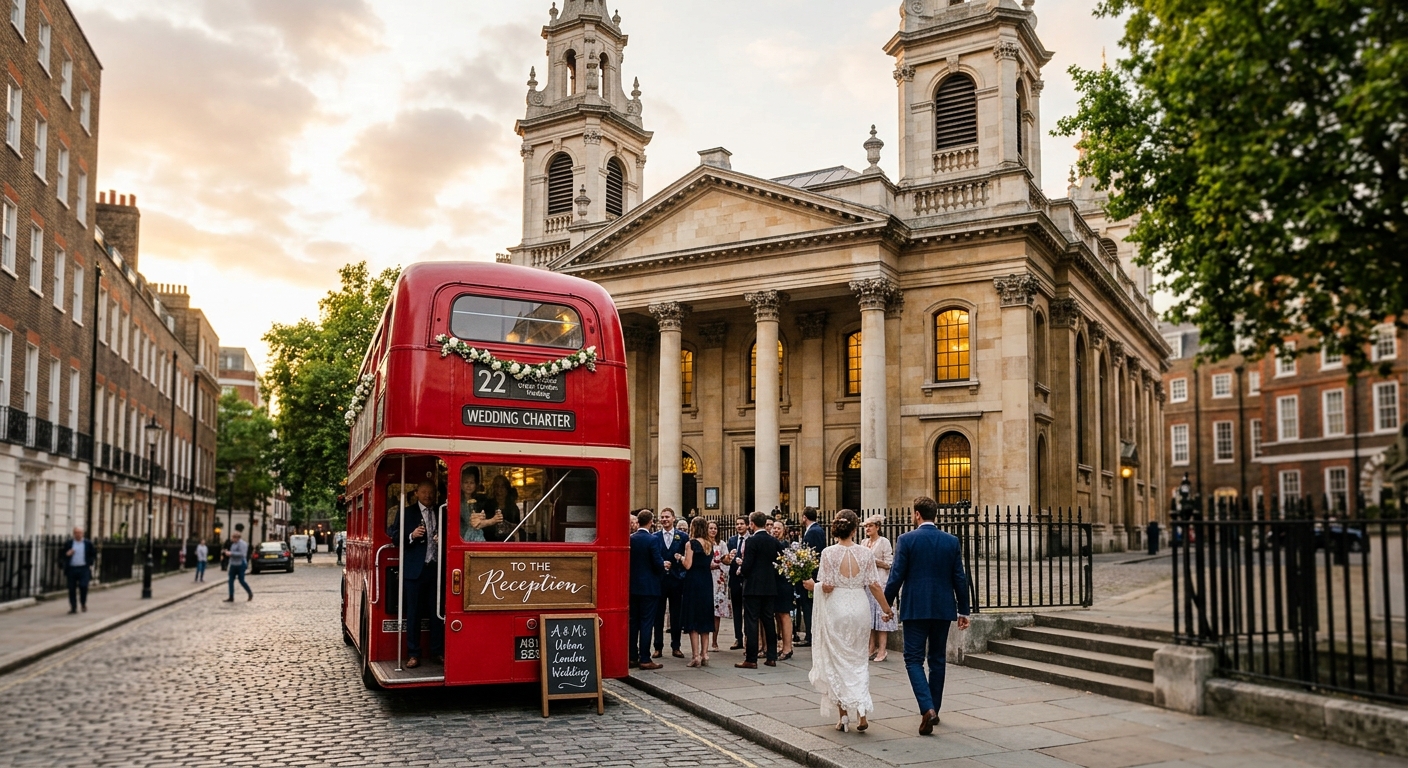
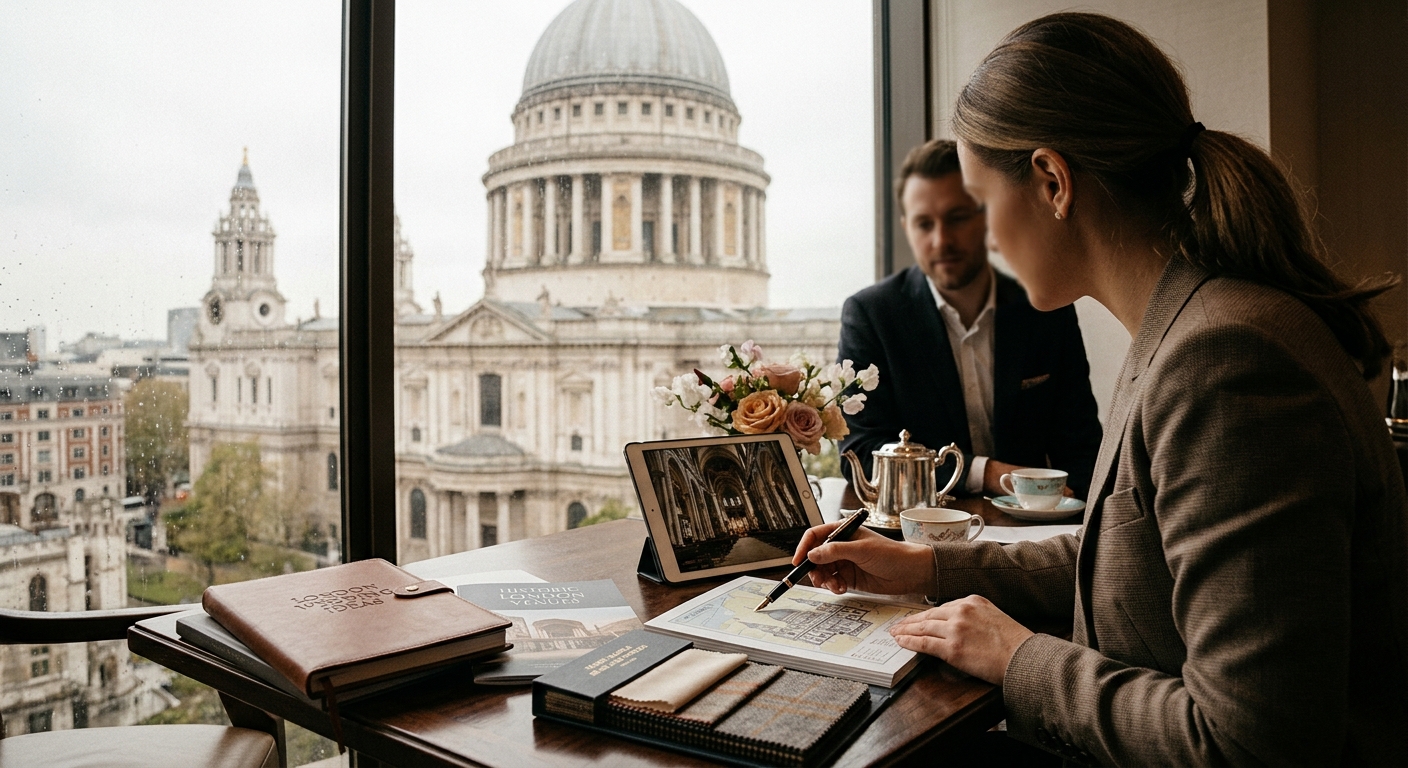
Organizing a destination wedding in London blends historic grandeur with distinct British formality. Couples choosing the capital can select from an extraordinary spectrum of licensed heritage venues: for botanical scale and glasshouse architecture, The Nash Conservatory and Temperate House at the Royal Botanic Gardens, Kew provide an iconic botanical setting; for historic grandeur, the baroque Painted Hall at the Old Royal Naval College in Greenwich offers dining beneath Sir James Thornhill’s masterwork; and for quintessential Mayfair elegance, Claridge's Ballroom and The Savoy's Lancaster Ballroom provide heritage five-star hospitality. Navigating local venue logistics—especially strict conservation constraints, Grade I-listed building curfews, and loading restrictions—typically requires specialized local production coordinators. High-end agencies such as Sarah Haywood Weddings, Cranberry Blue, and Bruce Russell Events specialize in destination logistics, bridging international client expectations with the UK's specific vendor ecosystem and municipal licensing frameworks. Cultural and procedural elements play a major role in London weddings. Legal marriage ceremonies require compliance with UK Marriage Visitor Visa regulations and giving notice at a designated register office (such as Westminster or the historic Old Marylebone Town Hall). Reception itineraries traditionally feature a seated 'wedding breakfast' preceded by a drinks reception serving English sparkling wines (like Nyetimber or Chapel Down) or classic Pimm's No. 1 Cup. British customs often incorporated by destination couples include formal toasted speeches directly following the meal, exclusively biodegradable real petal confetti outside historic venues, and planning private subterranean afterparties (such as at The Ned or private members' clubs) to bypass standard midnight noise curfews imposed across central London boroughs.